Structures Removed to Clear Development Paths
Demolition Services in Great Falls for properties requiring safe removal of buildings, foundations, and site obstacles before redevelopment
Old barns that no longer serve a purpose, concrete slabs from demolished outbuildings, and residential structures beyond practical repair occupy space that property owners need for new construction or land use changes. Demolition work involves more than swinging a wrecking bar—it requires planning how materials will be separated, where debris goes, and how to remove foundations without destabilizing surrounding soil or damaging underground utilities. Minardi Construction and Excavation provides demolition services in Great Falls for residential, agricultural, and small commercial structures, handling projects from initial site assessment through final cleanup and grading.
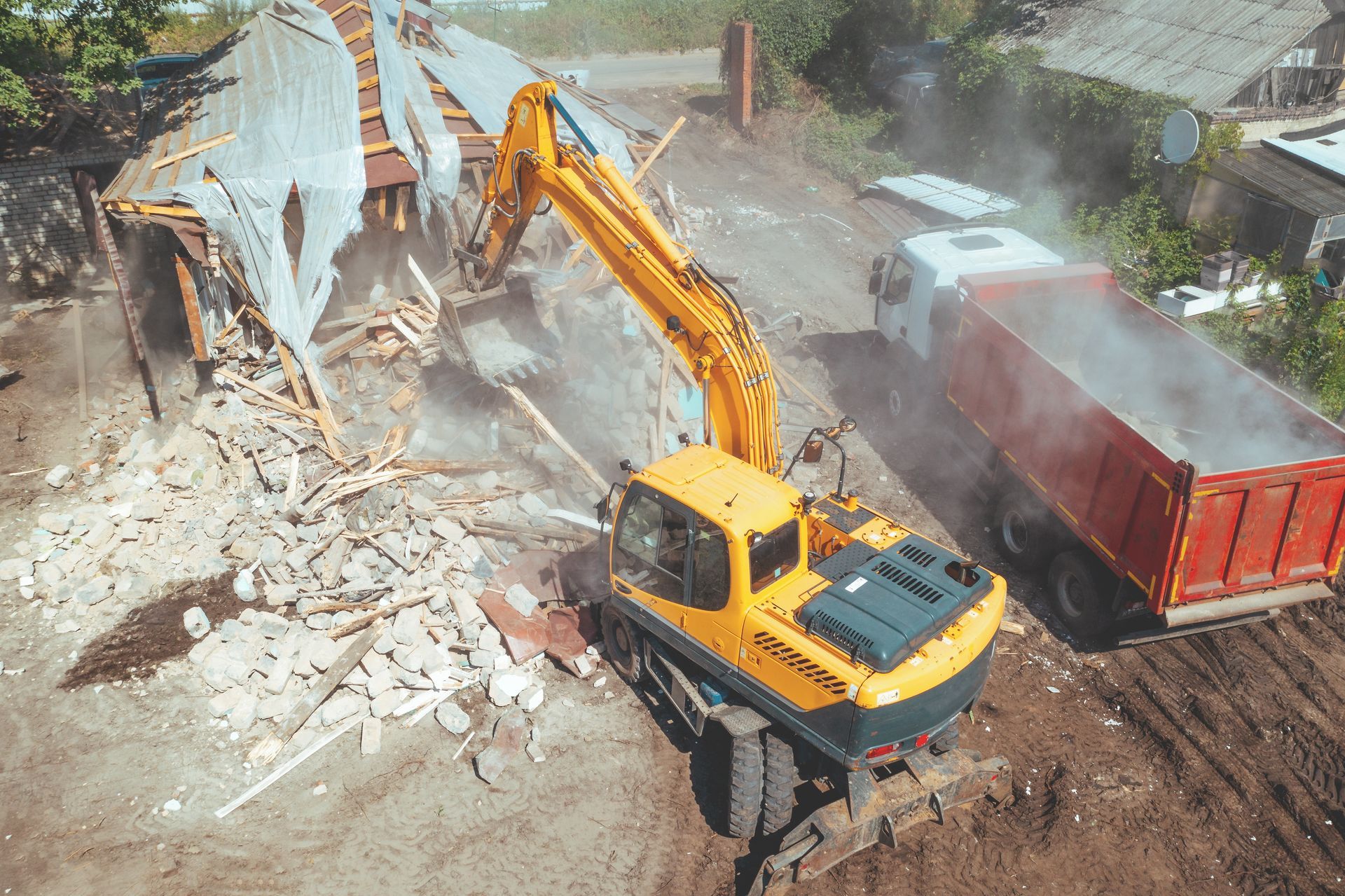
The service includes building demolition, foundation and concrete surface removal, site obstacle clearing, and debris removal coordinated with local disposal facilities. Projects range from tearing down single-family homes to removing agricultural buildings, equipment sheds, and concrete pads that interfere with redevelopment plans. Equipment selection depends on structure size, material type, and site access conditions.
Schedule a demolition consultation to review project scope, site access requirements, and disposal logistics for your property.
Why Demolition Planning Prevents Site Problems
Demolition planning identifies utility locations to avoid service line damage, determines which materials can be recycled or must go to landfills, and establishes equipment staging areas that provide access without damaging portions of the property that will remain. For foundation removal, the planning phase considers how deep footings extend, whether rebar or embedded anchors require cutting equipment, and how excavation will be backfilled to prevent future settling. Agricultural demolition projects often involve structures with metal siding, timber framing, and concrete floors that separate into distinct waste streams.
Once demolition finishes, the site is cleared to grade, debris is removed, and any remaining depressions are backfilled and compacted so the property is ready for construction or remains level for other uses. You'll notice that underground utilities remain intact, surrounding landscape features aren't damaged by equipment movement, and no protruding concrete or buried debris interferes with future excavation work.
The process involves disconnecting utilities before demolition begins, systematically removing structures to separate materials where practical, breaking up and removing concrete foundations using hydraulic breakers or excavators, loading debris into trucks for transport, and final site grading to restore usable ground surface. Properties throughout the Great Falls area often include older structures built without detailed plans, which requires adapting demolition methods as foundation details and structural conditions become visible during the work.
Questions Property Owners Ask Before Demolition Starts
Demolition projects raise questions about planning requirements, timing, disposal methods, and what the site looks like after completion.
What permits are required for residential building demolition?
Most jurisdictions require demolition permits that involve inspections to verify utility disconnection, asbestos testing for older structures, and approval of debris disposal plans before work begins.
How is concrete foundation removal different from building demolition?
Foundation removal requires hydraulic breakers to fracture reinforced concrete, excavators to pull sections free from surrounding soil, and coordination with landfills that accept concrete rubble, which often gets crushed and recycled as aggregate base material.
What happens to materials after a building is torn down?
Metal siding, structural steel, and wiring typically go to scrap recycling facilities, while wood framing, asphalt shingles, and non-recyclable materials are transported to landfills that accept construction debris.
How long does it take to demolish and clear a residential structure?
Single-family home demolition typically requires two to four days depending on structure size, foundation depth, and whether materials are separated on-site, though weather delays and disposal facility access can extend the timeline.
Why does site cleanup matter after demolition finishes?
Incomplete cleanup leaves buried debris that interferes with future excavation, creates voids that cause settling, and leaves protruding rebar or concrete fragments that damage equipment or create safety hazards during redevelopment.
Minardi Construction and Excavation manages demolition projects with attention to safe execution, efficient debris handling, and thorough site cleanup. Reach out to discuss your demolition project, site conditions, and preparation goals for future construction or property redevelopment.