Evaluations That Identify Problems Before They Worsen
Septic Inspections in Great Falls for real estate transactions, system troubleshooting, and maintenance planning
Septic system condition affects property value and habitability, but buried components hide deterioration until failures cause backups or surfacing effluent that require expensive emergency repairs. Septic inspections evaluate tank integrity, measure sludge and scum levels, check distribution components, and assess drain field function to identify existing problems before they escalate or affect real estate transactions. Minardi Construction and Excavation performs septic inspections throughout Great Falls and Central Montana for homeowners planning maintenance, buyers and sellers completing property transfers, and property managers tracking system condition across multiple rural sites.
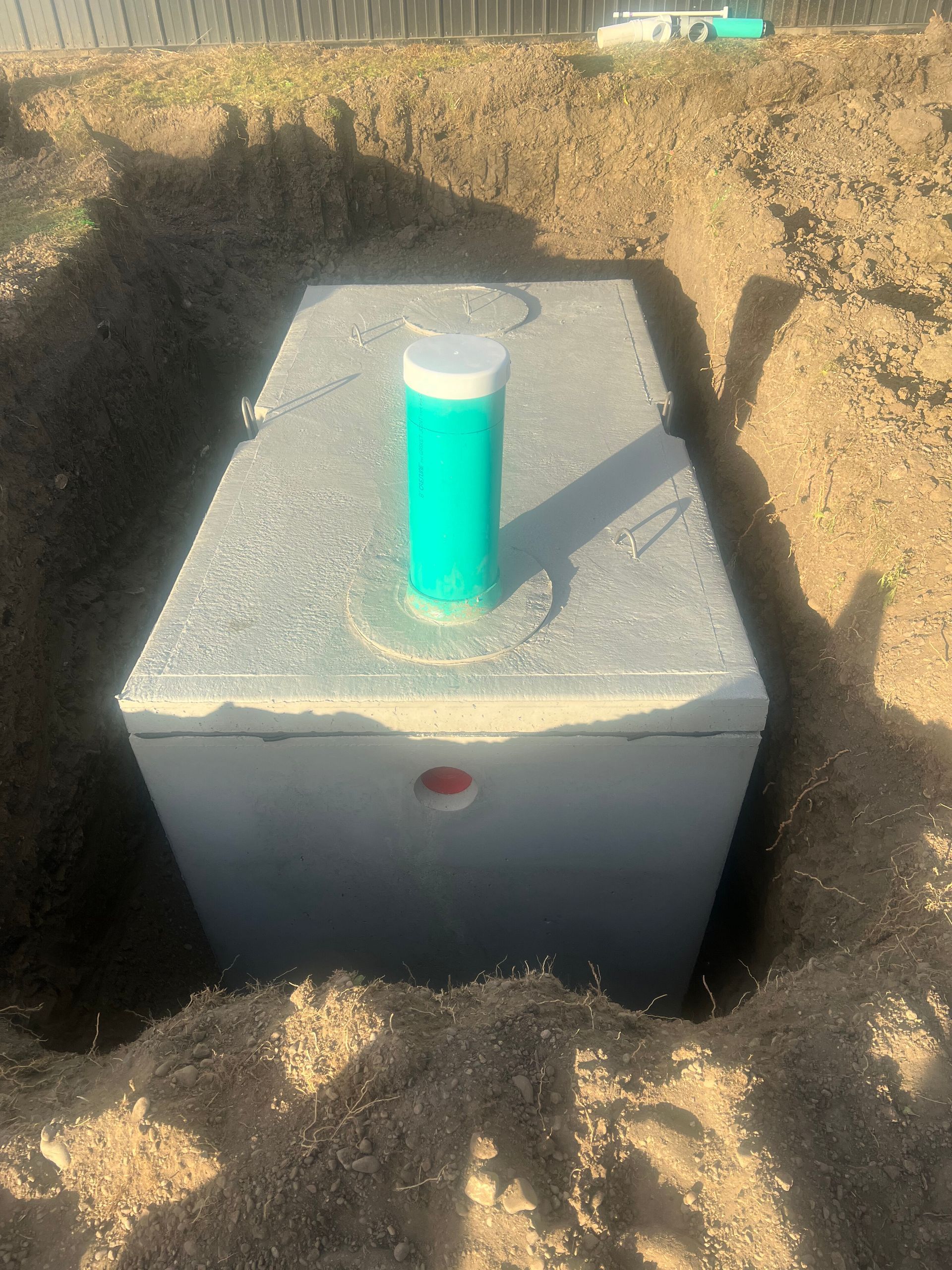
Inspection involves uncovering access lids to measure tank levels and check for cracks or leaks, verifying that effluent flows evenly through distribution boxes to all drain field lines, and observing drain field areas for wet spots, odors, or lush vegetation that indicates surfacing wastewater. Inspectors note when tanks require pumping based on accumulated solids, identify components nearing failure, and document system age and configuration for maintenance planning or disclosure requirements during property sales.
Schedule a septic inspection to document current system condition and address maintenance needs.
What Septic Inspections Reveal About System Health
Inspections measure tank capacity consumed by sludge and scum layers, which should occupy less than one-third of total volume to allow proper settling and digestion before effluent reaches the drain field. Tanks exceeding that threshold need pumping to prevent solids from entering drain field lines and clogging soil pores that absorb wastewater. Distribution boxes are checked for level positioning and outlet flow balance, because settling or blockages cause uneven effluent distribution that overloads portions of the drain field while leaving other areas unused.
After inspection, property owners receive documentation of tank condition and pumping needs, distribution system function, drain field performance indicators, and any repairs required to maintain system operation. During real estate transactions, inspection reports confirm that systems meet local health standards or identify deficiencies that affect sale negotiations and timelines. Regular inspections help property owners plan pumping schedules and catch small problems before they cause system-wide failures.
Inspections also establish baseline system condition for properties with unknown service history, documenting component locations, tank size, and drain field layout that guide future maintenance or repair work. This information prevents excavation guesswork and reduces service costs when problems eventually arise.
Questions Property Owners Ask About Septic Inspections
Buyers, sellers, and homeowners throughout Central Montana want to understand what inspections cover, how findings affect property transactions, and when inspections should occur.
What does a septic inspection evaluate?
Inspections assess tank condition and capacity, measure sludge and scum accumulation, verify distribution system function, observe drain field surface conditions for signs of failure, and document system age and component locations for future reference.
How often should septic systems be inspected?
Inspections are typically performed during real estate transactions, when households notice drainage changes or odors, and every three to five years as part of routine maintenance planning to coordinate pumping and identify developing problems.
What happens if an inspection reveals problems?
Findings are documented with recommended repairs or pumping, which may become conditions of property sale or immediate maintenance priorities depending on problem severity and whether systems pose health risks or imminent failure.
Can inspections predict how long a septic system will last?
Inspections identify current condition and existing problems but cannot precisely predict lifespan, though well-maintained systems with proper pumping schedules and no structural damage typically function for decades in Great Falls area soil conditions.
Are septic inspections required for property sales in Montana?
Requirements vary by lender and local jurisdiction, but many real estate transactions include septic inspections to protect buyers from undisclosed system problems and to satisfy financing conditions on rural properties without municipal sewer access.
Minardi Construction and Excavation provides thorough septic inspections that document system condition and maintenance needs for properties throughout the service area. Contact us to arrange an inspection and receive detailed reporting on your septic system status.