Systems Sized and Placed for Decades of Function
Septic System Installation in Great Falls for new homes, cabins, and properties replacing failing systems
When existing septic systems fail from age or improper sizing, or when new construction requires wastewater management where municipal sewer lines don't reach, replacement or new installation becomes necessary to meet health codes and prevent groundwater contamination. Minardi Construction and Excavation installs septic systems for residential properties, rural cabins, and replacement projects throughout Great Falls and Central Montana where soil percolation rates, groundwater levels, and lot size determine system design and drain field placement. After installation completes, you see a system that processes household wastewater without surfacing effluent, backup odors, or wet spots over the drain field.
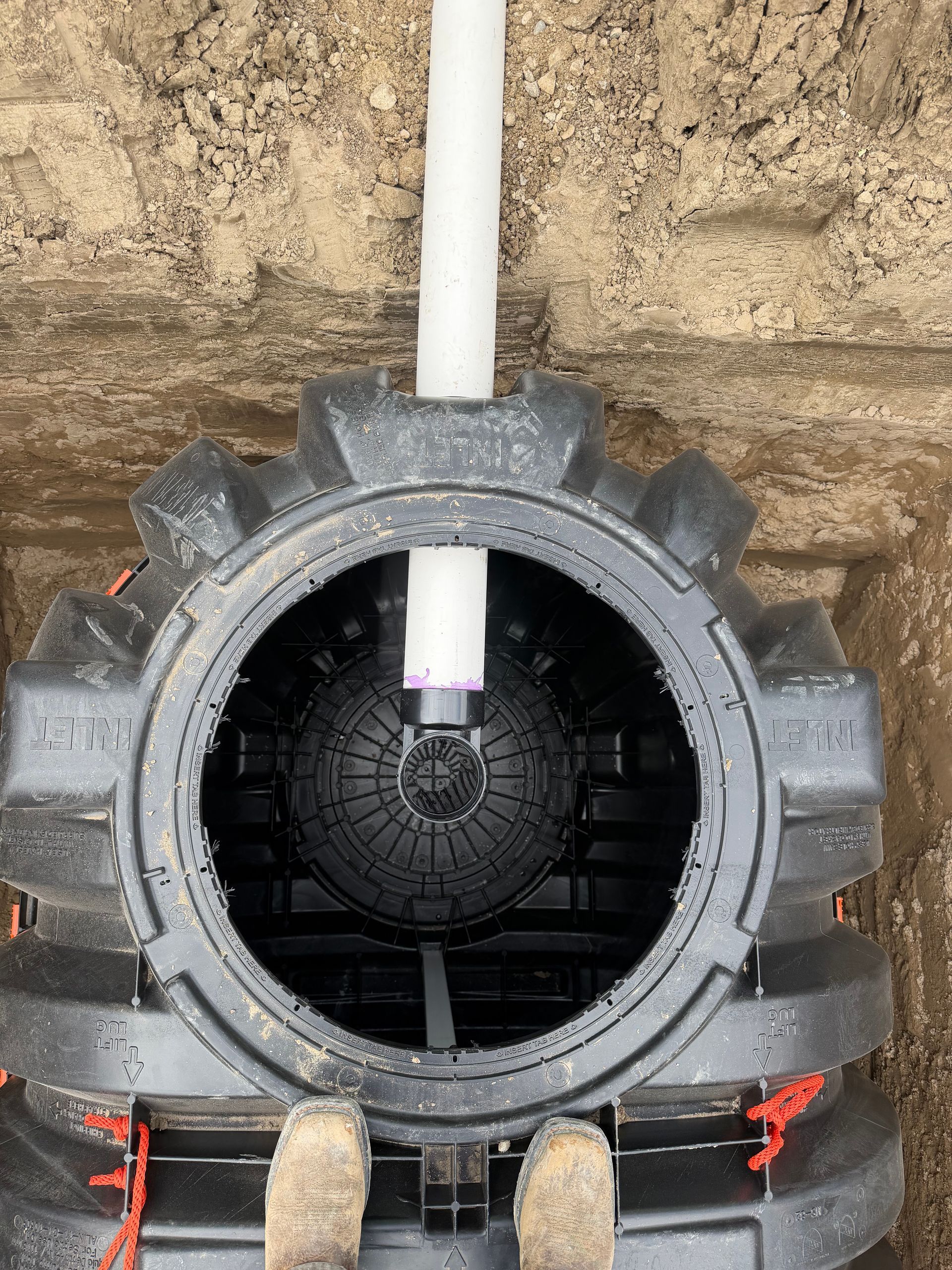
Installation begins with site evaluation to test soil percolation and identify suitable drain field locations based on setback requirements from wells, property lines, and surface water. Excavation removes soil for the septic tank and drain field trenches, system components are placed at specified depths and slopes, and distribution lines are bedded in gravel to promote even effluent dispersal. Final grading restores surface drainage and prevents runoff from channeling toward the system.
Schedule a consultation to review site conditions and septic system options for your property.
Why System Sizing and Placement Matter Long-Term
Septic system capacity must match household size and daily water use, because undersized tanks fill too quickly and send solids into drain fields where they clog soil pores and cause system failure. Tank size is calculated based on bedroom count and occupancy projections, and drain field area is determined by soil percolation test results that measure how quickly effluent absorbs into native soil. Systems installed in slow-draining clay soils require larger drain field areas than those in sandy or gravelly soils.
Once the system is operational, wastewater drains normally from household fixtures without slow drainage or gurgling sounds, the tank processes solids through bacterial digestion, and the drain field absorbs effluent without surfacing or creating odors. Properly installed systems function for decades with routine pumping every three to five years, avoiding costly drain field replacements that result from poor placement or inadequate sizing.
Installation accounts for local health department regulations that govern setback distances, tank specifications, and inspection requirements, which vary based on property size and proximity to water sources. Both new construction projects and replacement systems follow the same permitting and installation standards to protect groundwater quality throughout Central Montana.
Questions About Septic System Installation
Property owners planning new construction or facing system replacement often ask about site suitability, permitting timelines, and long-term maintenance expectations.
What site conditions affect septic system installation?
Soil percolation rate, seasonal groundwater depth, property slope, and available space for drain field placement all determine system design, and sites with high groundwater or poor drainage may require engineered systems with pumps or mound configurations.
How is septic system size determined for a home?
Tank capacity is based on bedroom count rather than actual occupancy, following health department formulas that assume maximum household water use, and drain field size is calculated from soil percolation test results that measure absorption rates.
What does the installation process involve from start to finish?
Site evaluation and soil testing occur first, followed by permit application and approval, then excavation and system placement, with final inspection required before the system is covered and grading is completed.
How long does septic system installation typically take?
Installation duration depends on system complexity and site access, but most residential installations in Great Falls and surrounding areas are completed within several days once permits are approved and weather conditions allow excavation.
What maintenance does a new septic system require?
Tanks should be pumped every three to five years depending on household size and water use, and drain fields should remain free of vehicle traffic, deep-rooted plants, and surface water runoff that can saturate soil and reduce absorption capacity.
Minardi Construction and Excavation handles site evaluation, permitting coordination, and complete installation for properties throughout the service area. Contact us to discuss septic system planning and installation timelines for your project.