Site Work That Sets the Foundation Right
Excavation Services in Great Falls for new construction, utility installations, and rural property development
Minardi Construction and Excavation performs excavation work throughout Great Falls and Central Montana for residential, agricultural, and light commercial projects where accurate depth control and site stability determine how well structures and systems perform over decades of use. Excavation work prepares sites for foundations, septic systems, utility lines, driveways, and larger development projects where soil conditions and proper base preparation affect drainage patterns and structural support. When excavation is completed correctly, you see level building pads, properly sloped drainage paths, and stable trenches that don't settle or shift after backfilling.
This service removes soil to specified depths and widths, creates stable trenches for utilities and septic lines, grades sites to control water flow away from structures, and prepares ground for concrete slabs and roadways. In Central Montana, frost depth requirements and seasonal soil moisture affect excavation timing and compaction methods, particularly for foundation work that must meet local building codes. Equipment operation accounts for existing underground utilities, property boundaries, and site access limitations common to both developed neighborhoods and rural acreage.
Schedule a site evaluation to review excavation requirements and project sequencing for your property.
How Proper Excavation Prevents Future Structural Issues
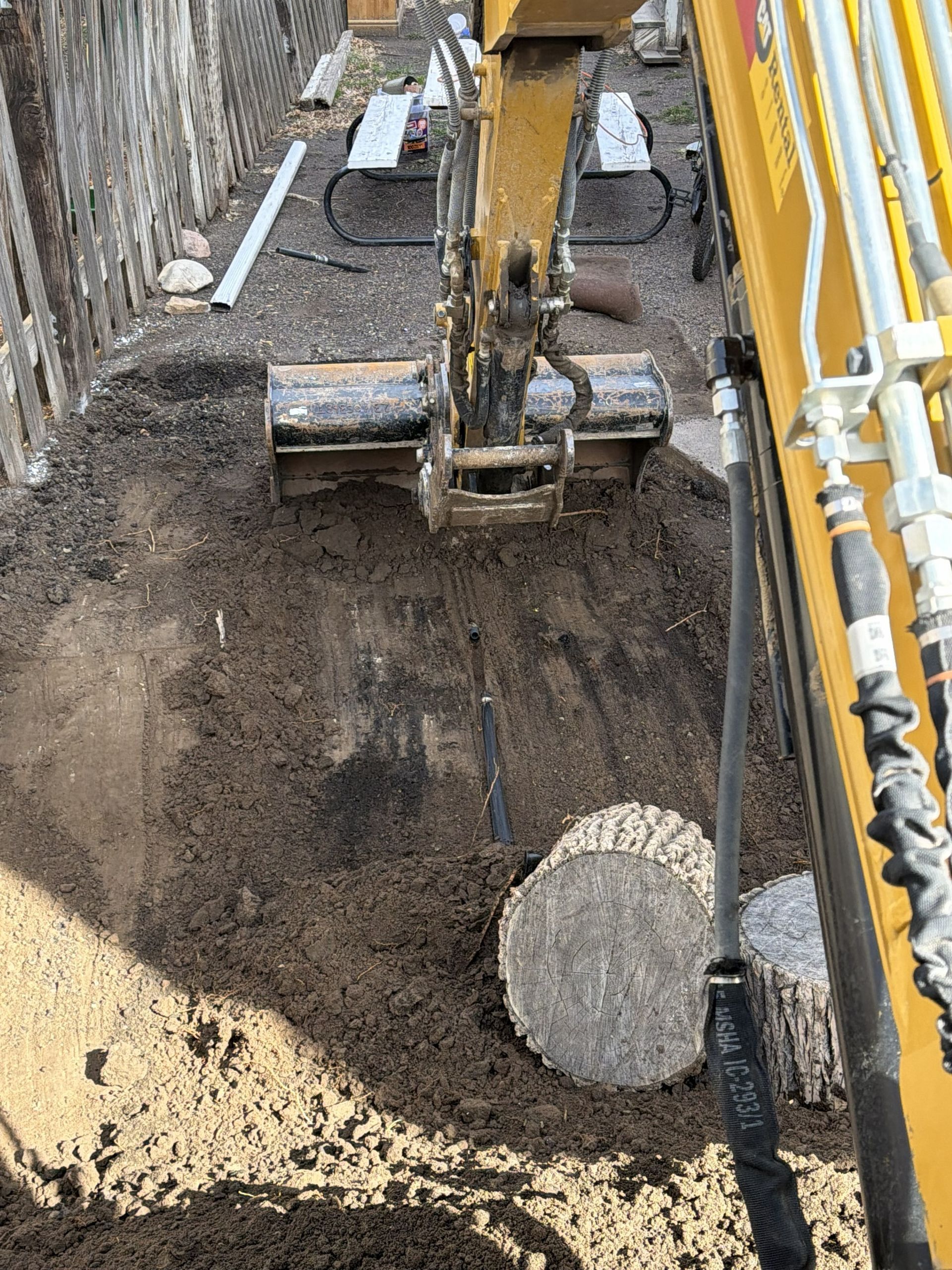
Excavation depth and base compaction determine whether concrete slabs crack from settling, whether septic drain fields function without pooling, and whether utility trenches remain stable after seasonal freeze-thaw cycles. Equipment operators cut to grade stakes and laser levels to maintain consistent depth across foundation footprints, removing unstable topsoil and organic material that compress under load. Base layers are compacted in lifts to specified density before concrete pours or system installations begin.
After excavation work finishes, you notice building pads that sit level without low spots where water collects, trenches that maintain slope for gravity-fed drainage, and graded surfaces that direct runoff away from structures toward designated drainage areas. Driveways and parking areas show smooth transitions without abrupt elevation changes, and utility lines rest at depths that protect them from frost heave and surface traffic loads.
Excavation integrates with concrete flatwork, septic installation, and site grading to coordinate project phases, minimize equipment mobilization costs, and avoid rework from sequencing errors. On rural properties, excavation also prepares pond sites, access roads, and agricultural drainage systems where larger earth-moving volumes and longer working distances apply.
What Property Owners Ask About Excavation Work
Projects throughout Great Falls and surrounding communities involve varied soil types, site access conditions, and utility coordination requirements that affect excavation planning and scheduling.
What site preparation happens before excavation begins?
Utilities are located and marked, site boundaries are confirmed with survey stakes or property descriptions, and access routes are established to avoid damaging landscaping or existing infrastructure during equipment movement.
How does soil type affect excavation in Central Montana?
Clay soils require different excavation techniques than sandy or gravelly soils, particularly for trench stability and compaction, and rocky subsurface conditions may require additional equipment or blasting in some rural areas.
What determines excavation depth for foundations and utilities?
Foundation depths follow frost line requirements and building codes, septic system depths depend on drain field design and seasonal groundwater levels, and utility trenches meet minimum cover requirements for frost protection and load bearing.
When should excavation be scheduled relative to other project phases?
Excavation typically occurs after site clearing and before concrete or system installation, with timing coordinated to avoid wet spring conditions when soil compaction becomes difficult and equipment causes rutting.
What happens to excavated soil after removal?
Soil is stockpiled on-site for backfilling around foundations and utilities, used for final grading and landscaping, or hauled off-site if excess material remains or if contaminated soil requires disposal.
Minardi Construction and Excavation coordinates excavation work with construction timelines and site conditions throughout the service area. Request an estimate that accounts for your specific site conditions and project requirements.